
Mechanical thumb for excavators that need extra bucket holding support for rocks, logs, roots, debris, and site clean-up work without a hydraulic thumb setup.
Product Overview
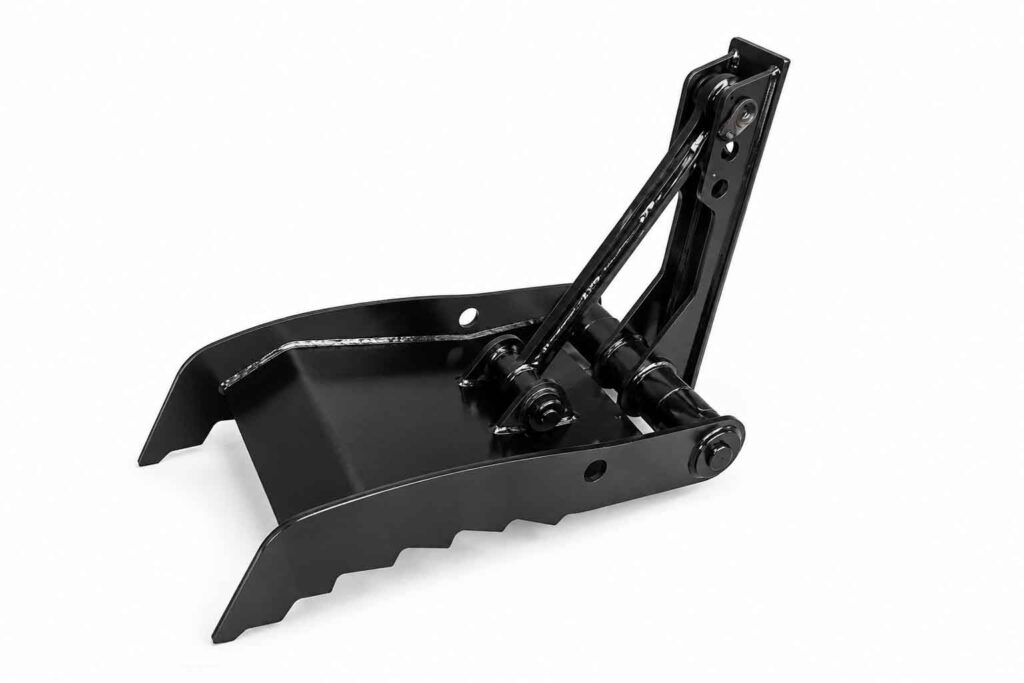
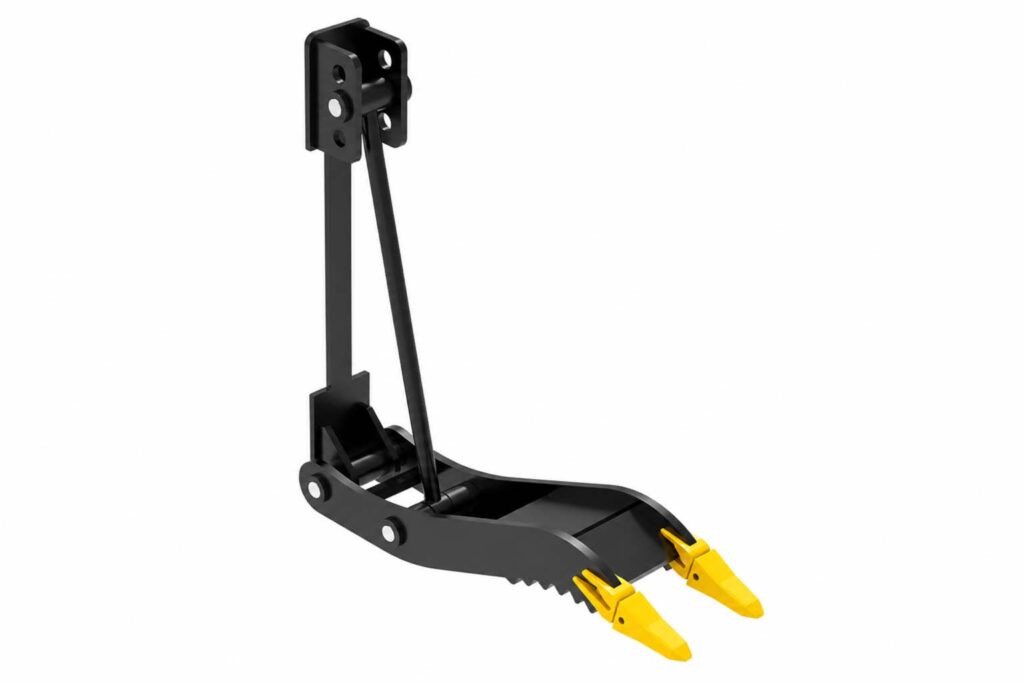
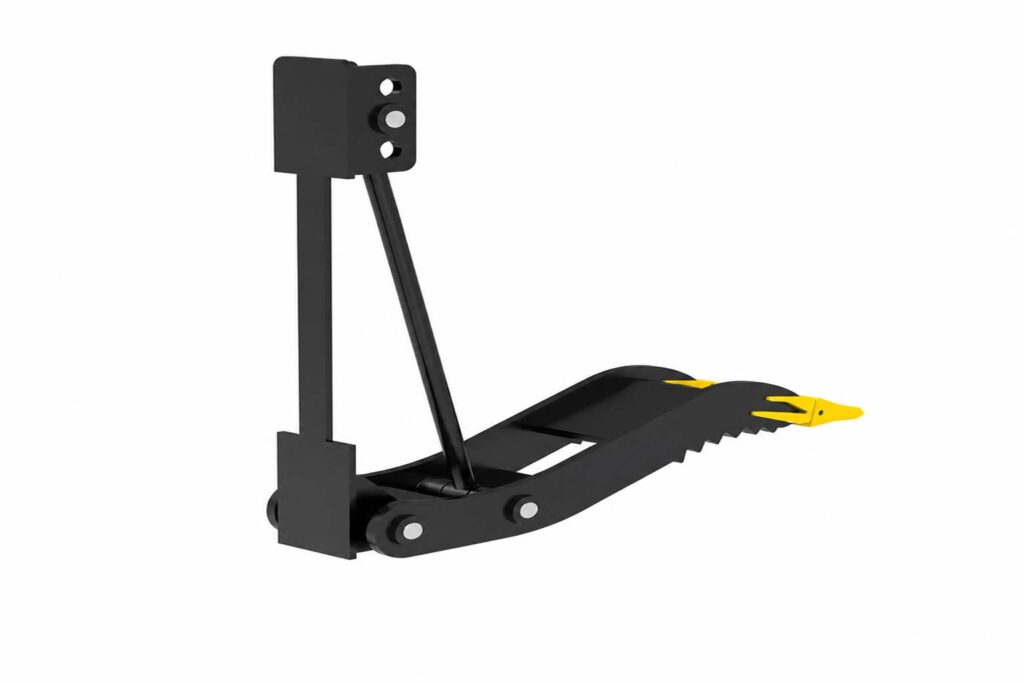
Mechanical thumbs give excavators better control when handling irregular materials that are difficult to hold with the bucket alone. Rocks, logs, roots, branches, and debris are common materials in landscaping, rural property work, small contracting jobs, and site clean-up. In many inquiries, this setup is also treated as a manual thumb option when the buyer wants a simpler bucket-and-thumb arrangement.
Mechanical thumb needs a strong arm, clean pivot movement, and the right closing angle against the bucket.
The thumb arm is made to take repeated contact and side pressure during handling work.
Pivot points are aligned so the thumb can open and close without rubbing against the arm.
The closing angle is checked against the bucket shape, keeping enough space to grip material properly.
Thumb Uses
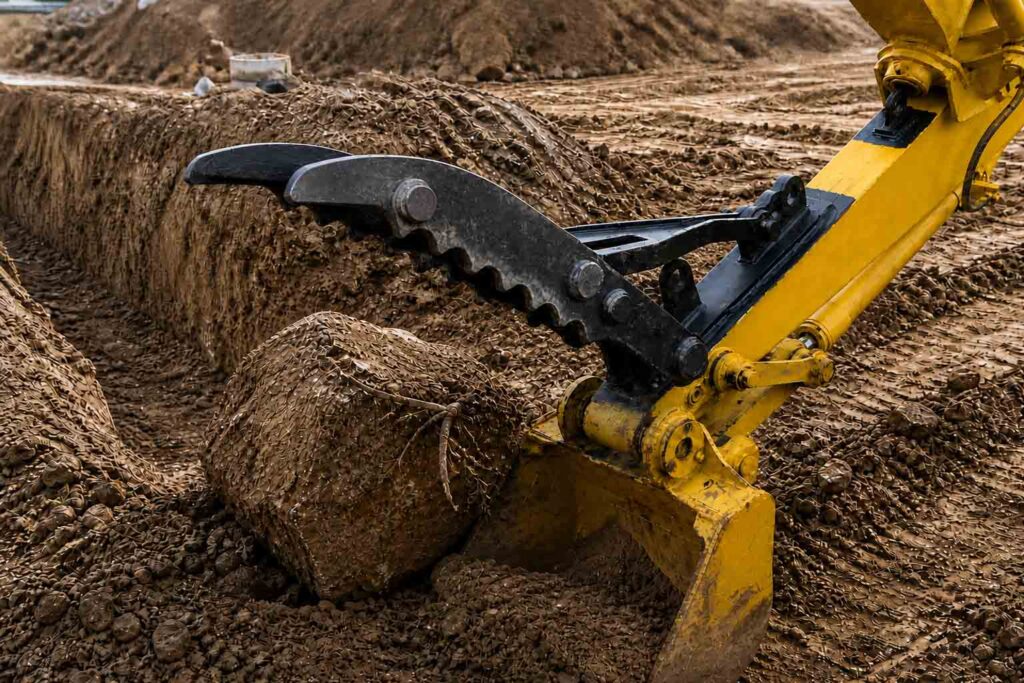
Use this thumb attachment when the excavator bucket needs extra holding power for irregular materials. It works with the bucket to grip, hold, and position materials during handling and clean-up work.
Hold and position rocks or hard materials during rural property work, drainage, landscaping, or site clean-up.
Work with the bucket to gather, hold, and move loose debris after digging, grading, trenching, or clearing work.
Move logs, roots, branches, and other irregular materials during clearing, landscaping, or site clean-up work.
Adds handling ability for excavators used in gardens, yards, slopes, driveways, or small site preparation work.
Selecting a mechanical thumb is not only about excavator weight. Machine model, arm width, mounting position, bucket shape, and working clearance should be checked before the thumb is confirmed.
Set by excavator size, machine model, with final fit checked by machine model and mounting.
Bucket width, profile, and working angle can all affect how the thumb performs.
It makes the thumb close, hold material, and move with the bucket without unwanted contact.
A few basic details are usually enough to review a mechanical or manual thumb fit, including machine information, arm photos, bucket photos, and simple dimensions.
Brand, model, and operating weight help confirm whether the thumb size is suitable.
Thumb layout can be checked with arm width, mounting, available space, and side photos.
Pin diameter, centres, bracket position, and mounting should be checked where required.
Side photos or drawings of the arm, bucket, and current setup help confirm the working clearance.
Used in Package
For 2–5T mini excavators that need a compatible bucket and mechanical thumb for gripping, sorting, holding, and handling irregular material after fitment review.
Our Products
Quick coupler fit matters when buckets and thumbs need to work around the same machine setup.
A wider grading bucket can follow handling work with backfill, trimming, and surface clean-up passes.
The ripper can loosen roots, stumps, or compacted ground before the thumb and bucket handle material.
Product Inquiry
Send the machine model, operating weight, arm photos, bucket photos, and any mounting dimensions you already have. That is usually enough to check whether a mechanical thumb will fit the setup.
© [2026] · All Rights Reserved · Manufacturing & Export Business