
Excavator bucket wear parts supply for worn parts, part matching, repeat orders, and rebuild-related requests. Part numbers, photos, samples, or basic dimensions are enough to start.
Product Overview
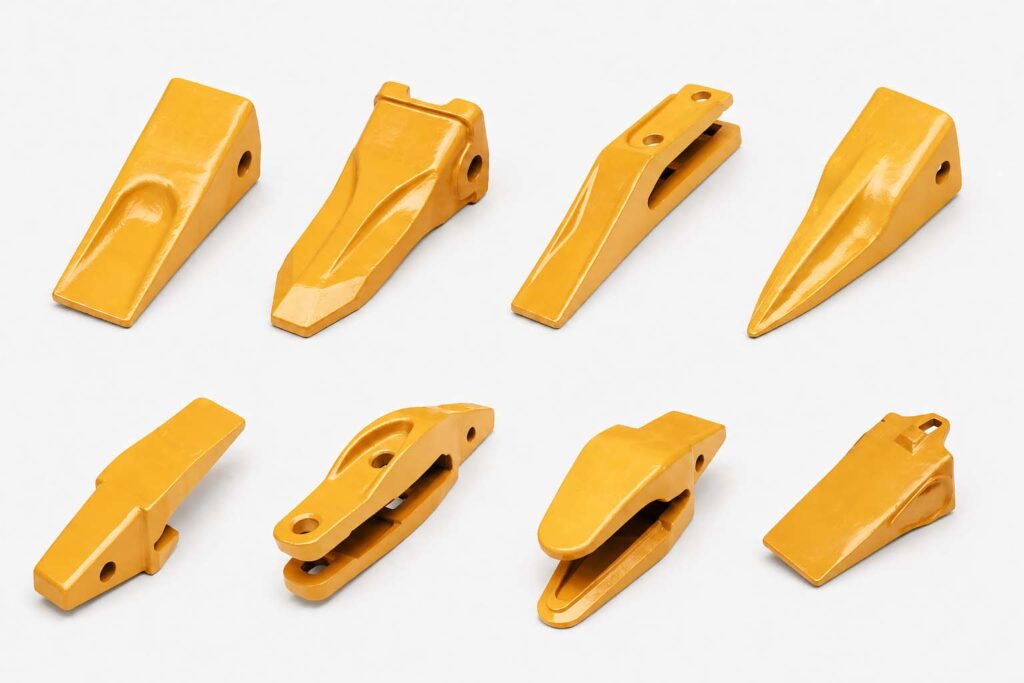
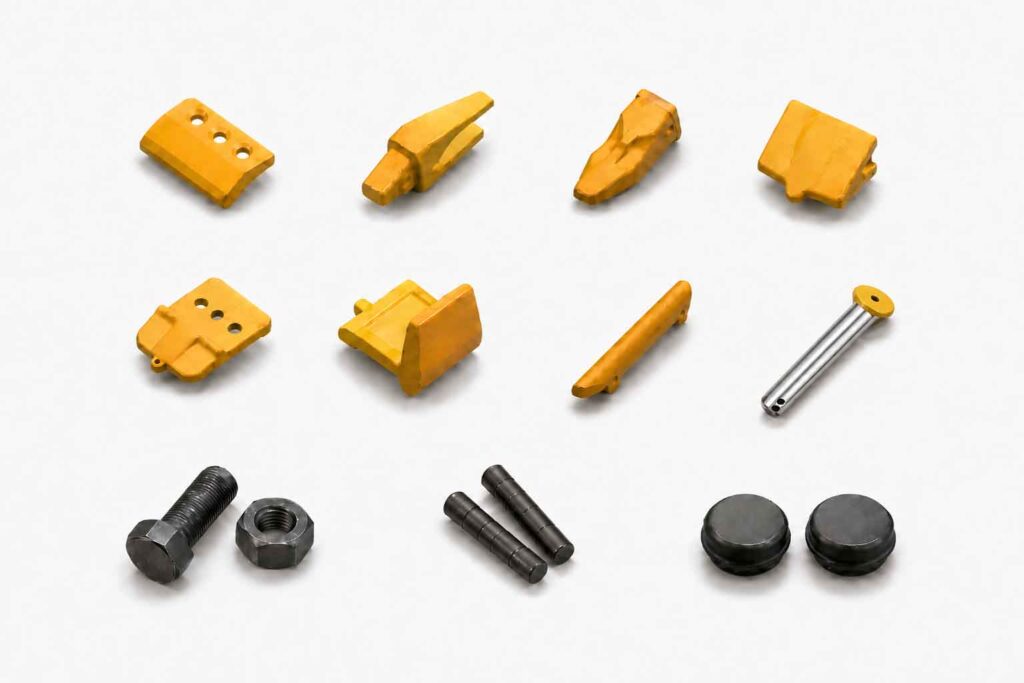
Wear replacement typically starts with worn excavator bucket parts such as teeth, adapters, cutting edges, pins, or bushes. Some requests are simple repeat orders while others require photos, samples, part numbers, or dimensions to match the part correctly.
Wear parts production focuses on material choice, dimensional accuracy, and consistent replacement fit across teeth, adapters, edges, pins, and bushes.
Material grade and wear position are matched so each part suits its cutting, loading, or pivot role.
Critical sizes, bolt holes, pin bores, and contact faces are checked during production for correct fit.
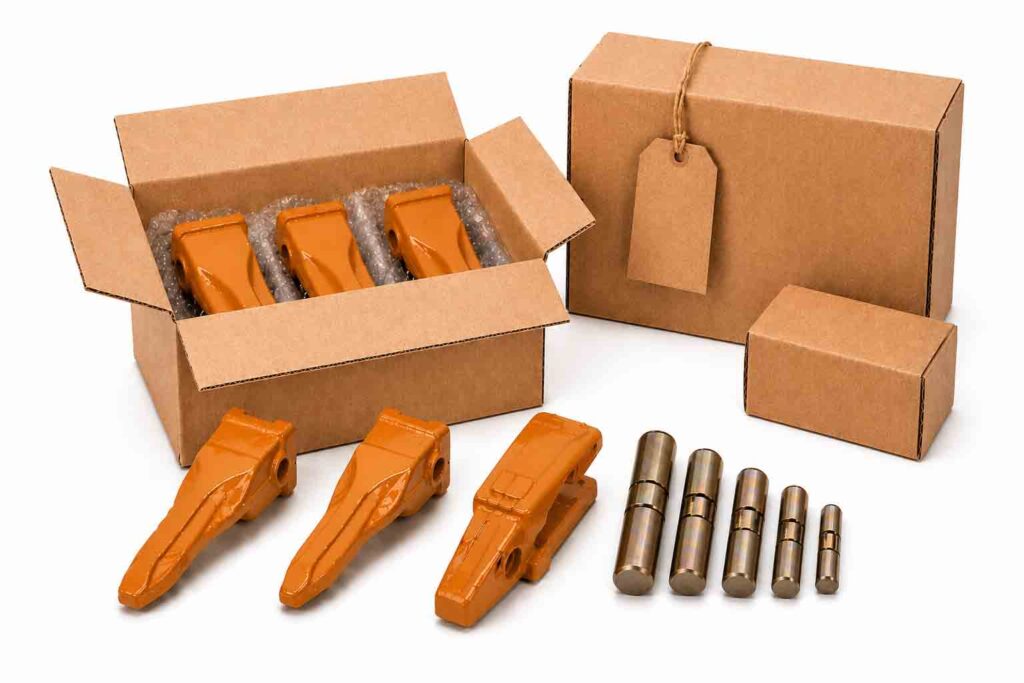
Repeat parts are produced against confirmed references to keep future replacement stable and predictable.
PART REFERENCES
Wear parts requests often begin with an imperfect list. A useful starting point could be a worn part, used sample, or existing setup on hand.
A damaged tooth, cutting edge, pin, or bush can be enough to start the match.
Photos show how the part sits on the bucket and where the wear is happening.
Old part numbers, previous order records, or working lists can speed up repeat supply.
A used sample often gives a clearer reference point than a long written description.
Basic measurements can fill gaps when the reference is incomplete.
Some wear parts are simple repeat orders. Others need part matching, sample checks, or a wider rebuild list before the right parts can be confirmed.
Once the worn part is clear, replacement can usually move more quickly.
Photos, samples, dimensions, or old references help identify a part when the name is unclear.
Useful when wear parts are checked as part of a bucket repair or rebuild job.
A few clear references are usually more useful than a long description. Part numbers, photos, samples, or dimensions can be enough to start the check.
Part numbers, old labels, known sizes, or previous order records are useful starting points.
A worn sample or a few clear photos often explain the part better than a written description.
Machine model, bucket type, and current setup help when the part is not fully identified.
Basic dimensions or a simple drawing can close the gap when the part name is unclear.
Our Products
When replacement planning goes beyond parts, the bucket range helps compare the next product direction.
Coupler fit can affect bucket changes, pin setup, and how repaired buckets return to use.
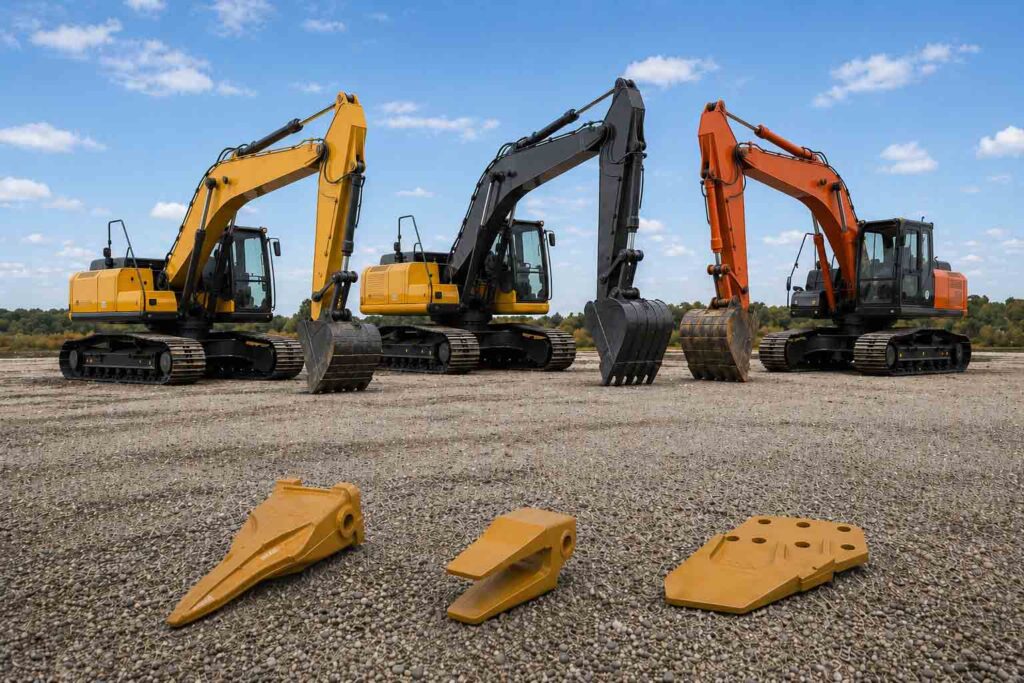
Hard ground and root work can place extra load on bucket teeth, pins, bushes, and cutting edges.
Product Inquiry
Send any part details you already have, including photos, worn samples, old references, part numbers, or basic dimensions. Machine model and bucket type can also help when the part is not fully identified.
© [2026] · All Rights Reserved · Manufacturing & Export Business