
An excavator ripper attachment is used when roots, stumps, rocky ground, or compacted soil need to be opened up before digging or site preparation.
Product Overview
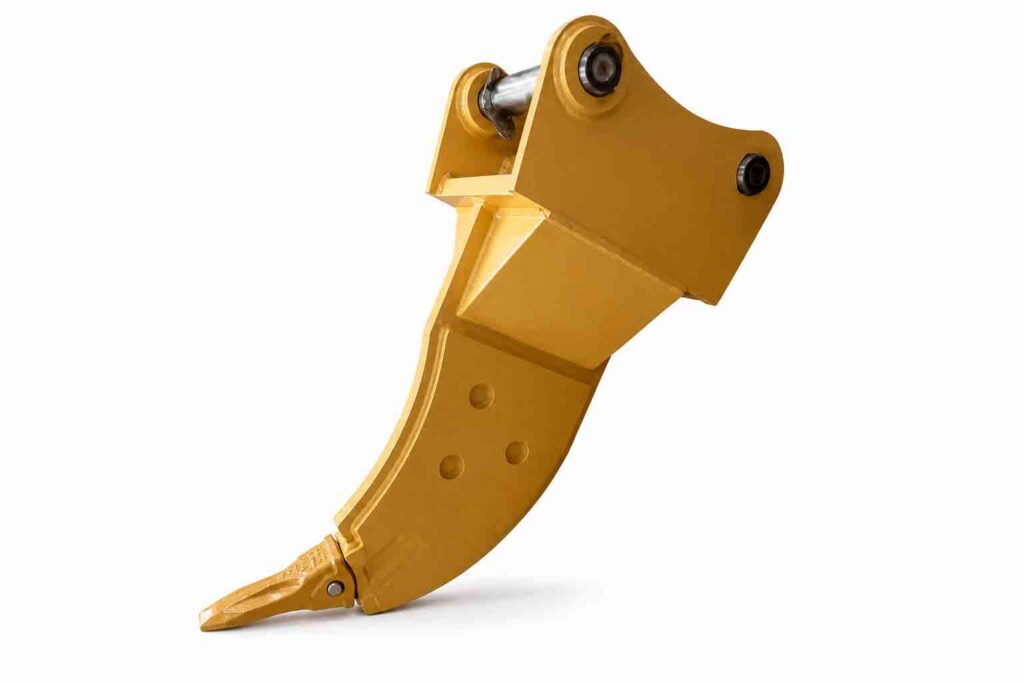
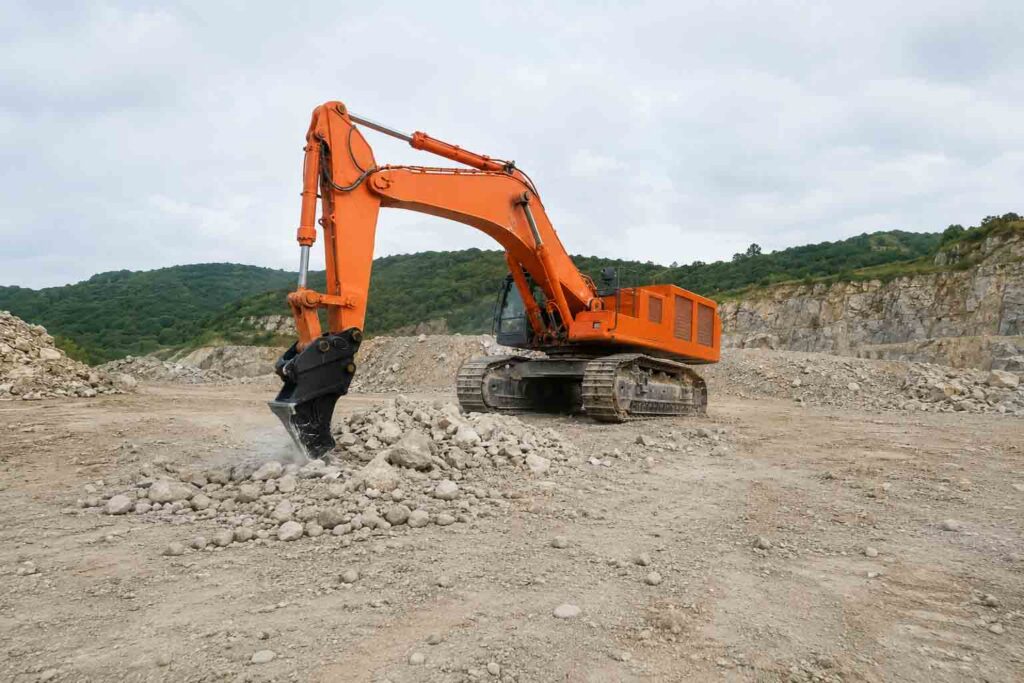
An excavator ripper is used before regular digging when a standard bucket struggles with roots, stumps, compacted soil, or hard ground. The ripper opens the material first, leaving the bucket to clear and load it in the next pass.
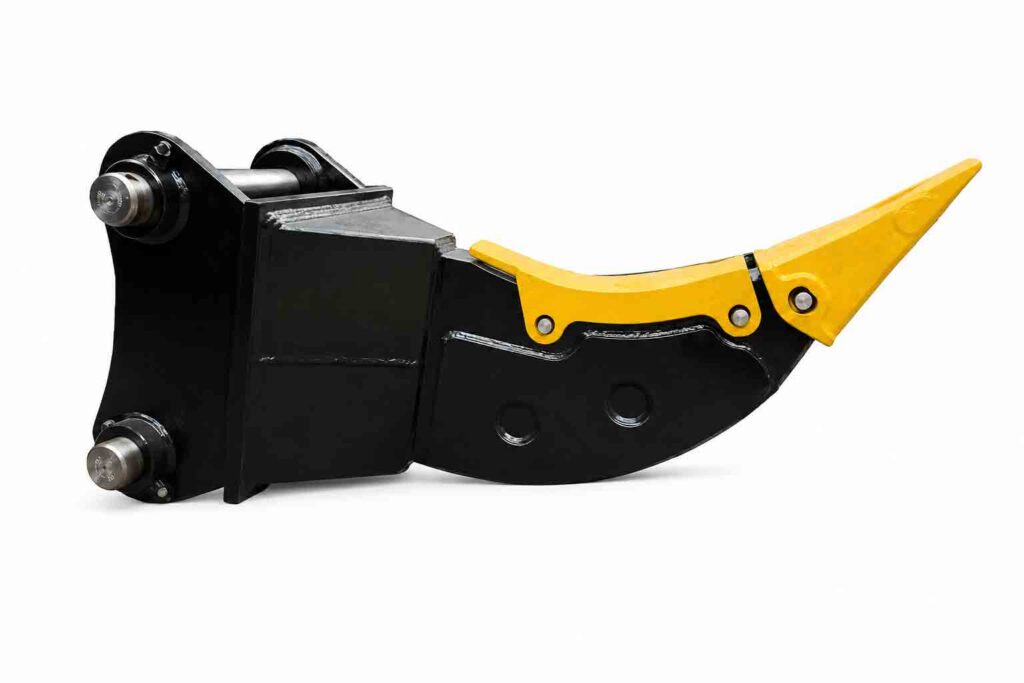
Good ripper design is about how force travels through the tooth, shank, welds, and mounting points.
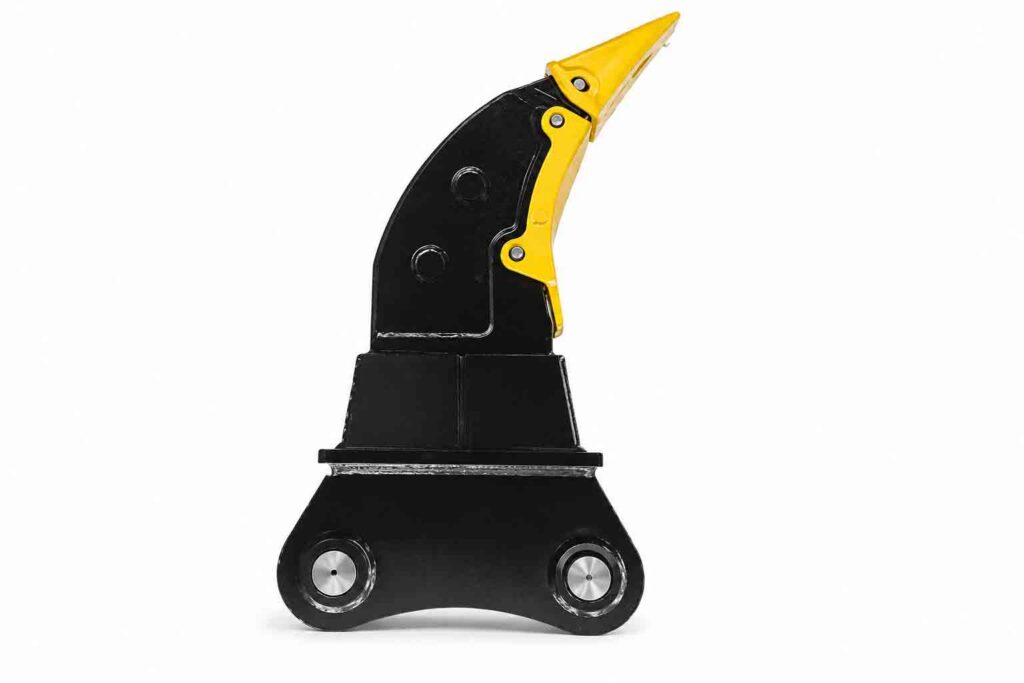
Force is concentrated through one ripping point instead of being spread across a wide cutting edge.
The tooth point and wear area are selected for ground contact, impact, and future replacement review.
Bracket position, pin fit, and welded structure are checked so pulling force transfers cleanly into the arm.
RIPper Uses
Rippers are usually used before the bucket does the main removal work. The aim is to break the material loose enough for digging, loading, or clearing to continue.
Used around root areas where a bucket alone would take too long or pull too much material at once.
Breaks around stump areas before the remaining material is dug out, lifted, or cleared away.
For rocky ground, compacted soil, or hard layers that need opening before the bucket starts removing material.
Fits early site preparation work where hard ground needs to be broken before excavation continues.
Ripper selection depends on more than machine size. Linkage setup, arm width, ground condition, and the work type all affect how the ripper enters, lifts, and loosens material.
Start with the excavator model and operating weight before confirming the ripper size.
Pin diameter, pin centres, arm width, and linkage details help confirm the mounting.
Roots, stumps, rock, clay, and compacted ground can all affect the ripper choice.
For a ripper fit review, clear machine details, pin measurements, working conditions, and current setup photos are usually enough to start.
Send the machine brand, model, operating weight, and any known arm or linkage configuration.
Provide pin diameter, pin centres, arm width, and linkage photos to help confirm the mounting fit.
Describe the material being opened, such as roots, stumps, rocky ground, or compacted soil.
Current attachment photos, arm photos, or simple drawings make the fit review clearer.
Our Products
After ripping, a digging bucket usually clears the loosened ground and continues excavation work afterward.
Breaker work fits harder material when ripping alone cannot open the ground cleanly enough on site.
Coupler setup is useful when a machine changes between ripper, bucket, and other tools onsite.
Product Inquiry
Send the machine model, operating weight, pin details, and photos of the current setup. If the ground condition is already clear, include that as well.
© [2026] · All Rights Reserved · Manufacturing & Export Business