
For harder ground, clay, gravel, and higher-duty digging where a standard excavator bucket wears too quickly.
Product Overview
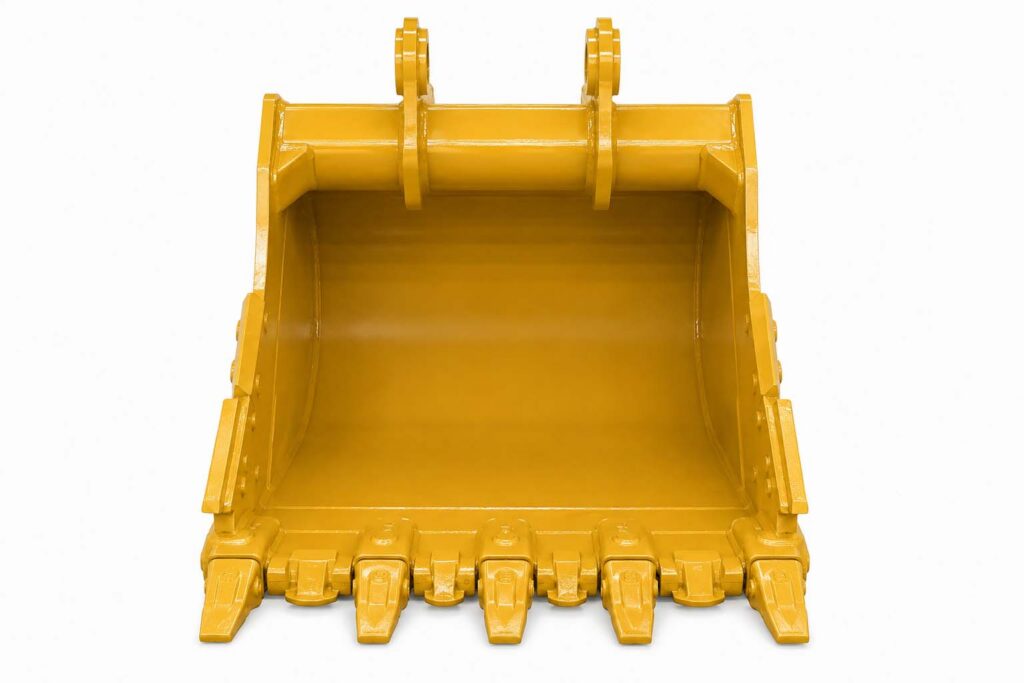
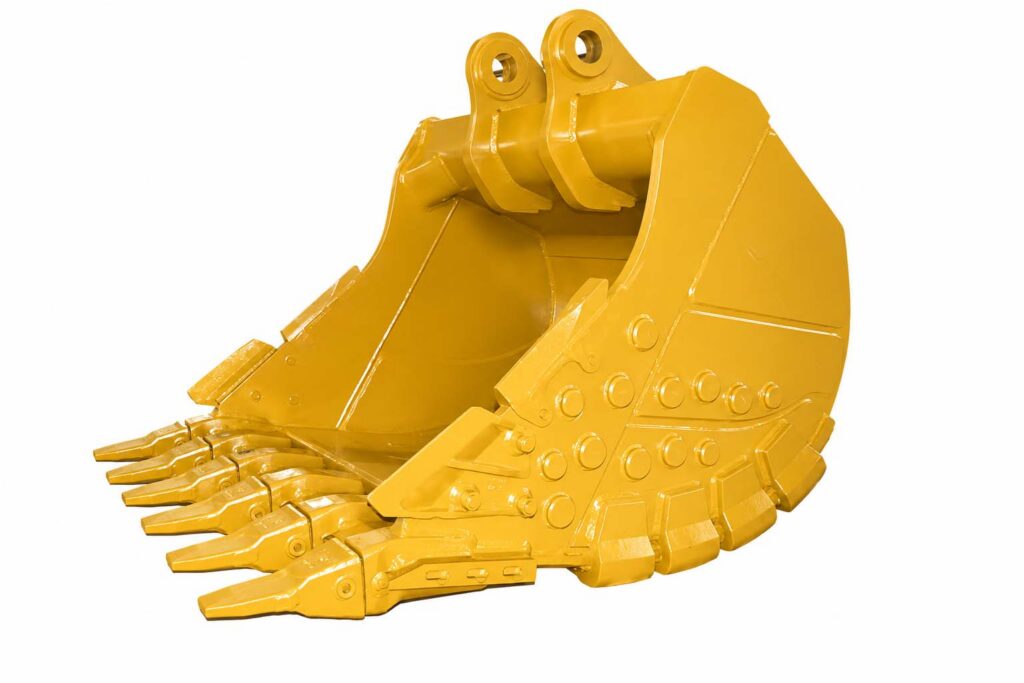
This heavy-duty excavator bucket is built for digging work where a standard bucket is not strong enough for the ground condition. Typical jobs include compacted soil, sticky clay, gravel, mixed ground, and excavation sites where the teeth, cutting edge, side plates, or bucket floor wear faster than normal.
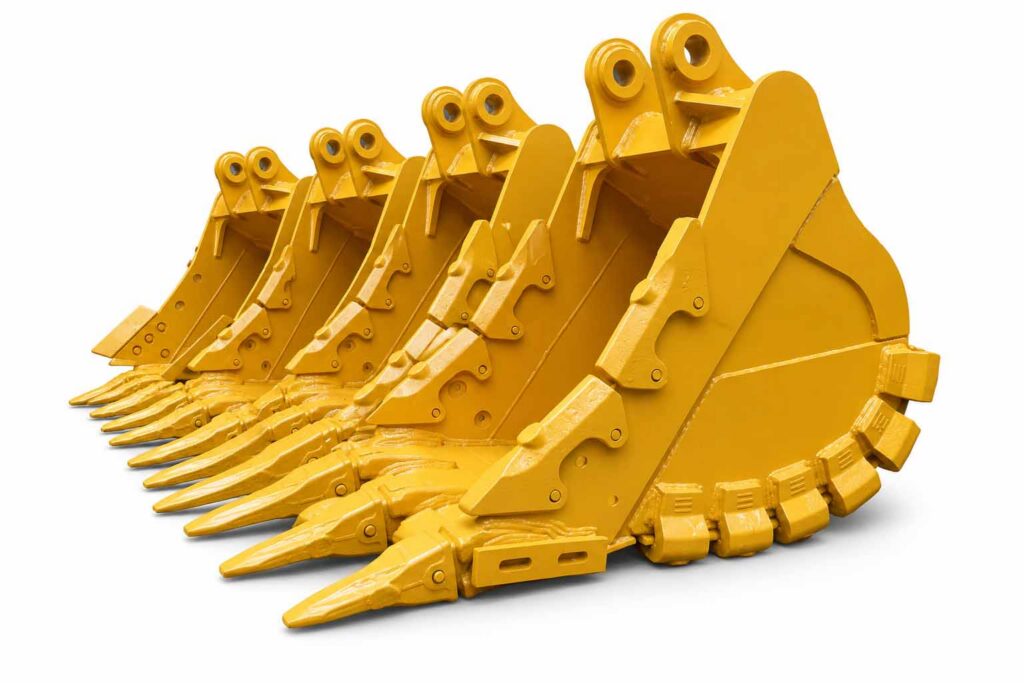
This bucket is built around wear control and load path, with the shell, lip, and mounting areas reviewed before production.
Plate layout and side structure are built for harder digging loads while staying within heavy-duty bucket use.
The lip, teeth, adapters, and edge area are arranged for heavier contact and routine wear-part replacement.
Side wear, bottom wear, and corner protection are matched to abrasive material and expected bucket use.
Bucket Uses
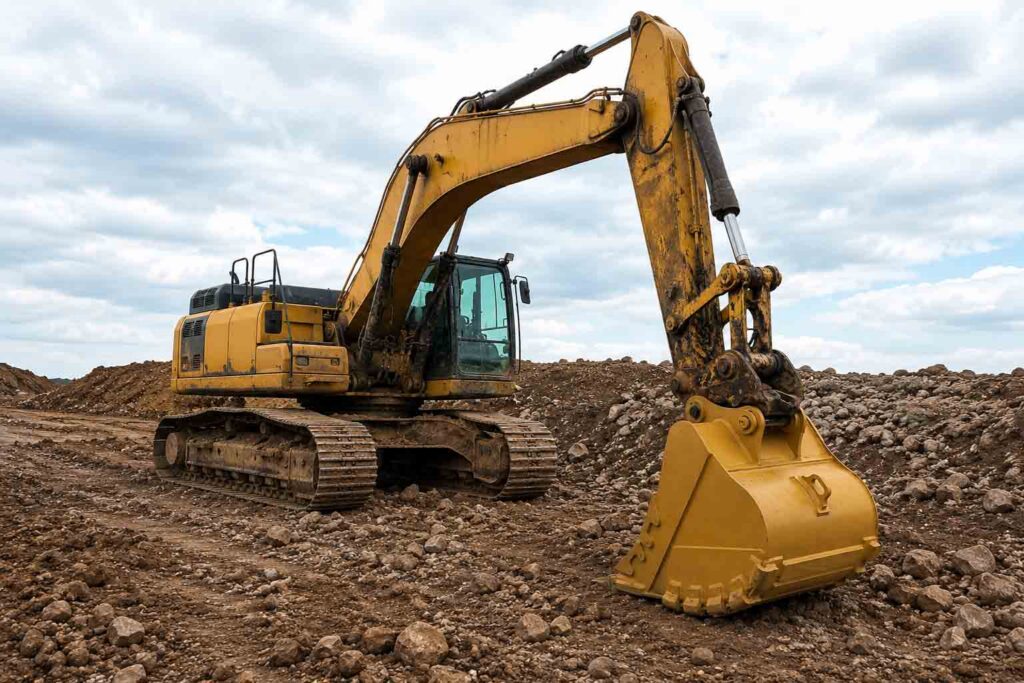
A heavy-duty excavator bucket is usually selected after a standard bucket shows early wear or bending in harder work. It is commonly used for compacted soil, clay, gravel, mixed ground, and excavation work with more abrasion than normal digging.
For ground that creates more cutting edge, tooth, and side wear than regular digging conditions.
Suitable for sticky clay, gravel, and packed soil that place extra stress on the bucket body.
Used where repeated material contact can wear the floor, corners, and front edge ahead of schedule.
A practical step up when a standard bucket is too light and rock-bucket duty is not needed.
For a heavy-duty bucket, we check the machine class, bucket width, pin size, working material, and expected wear points together. This avoids common problems that the bucket is too light for the site, or too heavy for the excavator.
Start with excavator model and operating weight, then check whether the bucket duty suits the machine.
Bucket width should fit the job without overloading the carrier or slowing cycle work on site.
Teeth, adapters, cutting edge, side wear, and bottom wear are reviewed against material abrasion and workload.
A heavy-duty bucket review requires clear machine details, mounting information, bucket size, and ground conditions before a quote.
Send the excavator brand, model, operating weight, and any current coupler or attachment setup.
Share the required width, current bucket size, and whether extra wear protection is needed.
Provide pin diameter, pin centres, arm width, coupler details, and photos of the current setup.
Describe the ground type, material abrasion, wear level, and where the bucket usually wears fastest.
Our Products
Harder digging can increase wear on teeth, adapters, cutting edges, pins, and bushes over time.
Choose when regular excavation does not need heavy-duty wear protection or higher-duty shell build.
A ripper can open compacted ground before the bucket carries loosened material away from the site.
Product Inquiry
Send the machine model, operating weight, required bucket width, pin details, current bucket photos, and ground condition. We can then check whether a heavy-duty bucket is the right build before quoting.
© [2026] · All Rights Reserved · Manufacturing & Export Business