
For 6–15T excavators working in general excavation, site preparation, drainage, base work, and regular job site digging.
Product Overview
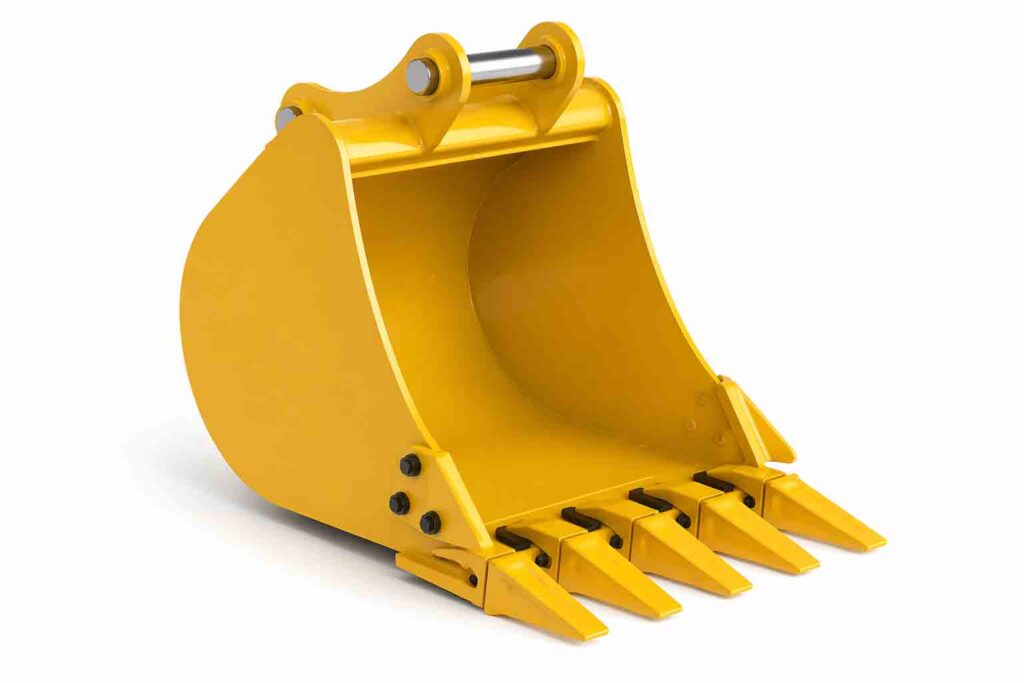
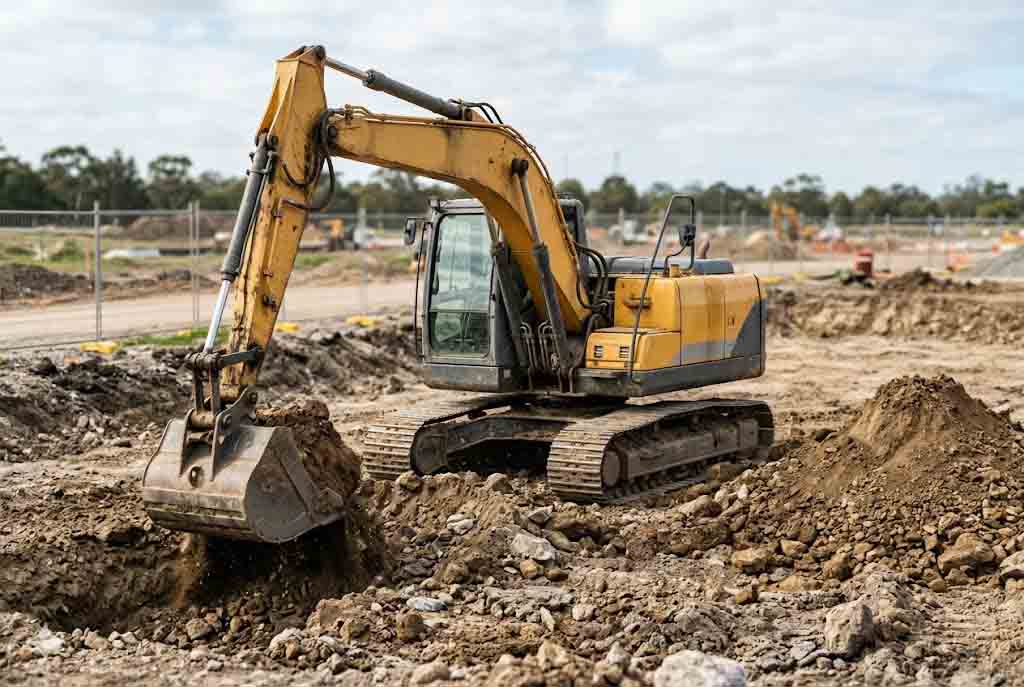
This excavator digging bucket suits excavation, site preparation, drainage, base work, and regular digging where one bucket needs to handle more than a single narrow task. It is not a trenching bucket or a finishing bucket, and it serves as an all-purpose digging solution designed for everyday site work.
Regular digging loads put pressure on the shell, lip, and mounting area, so these parts need careful build control.
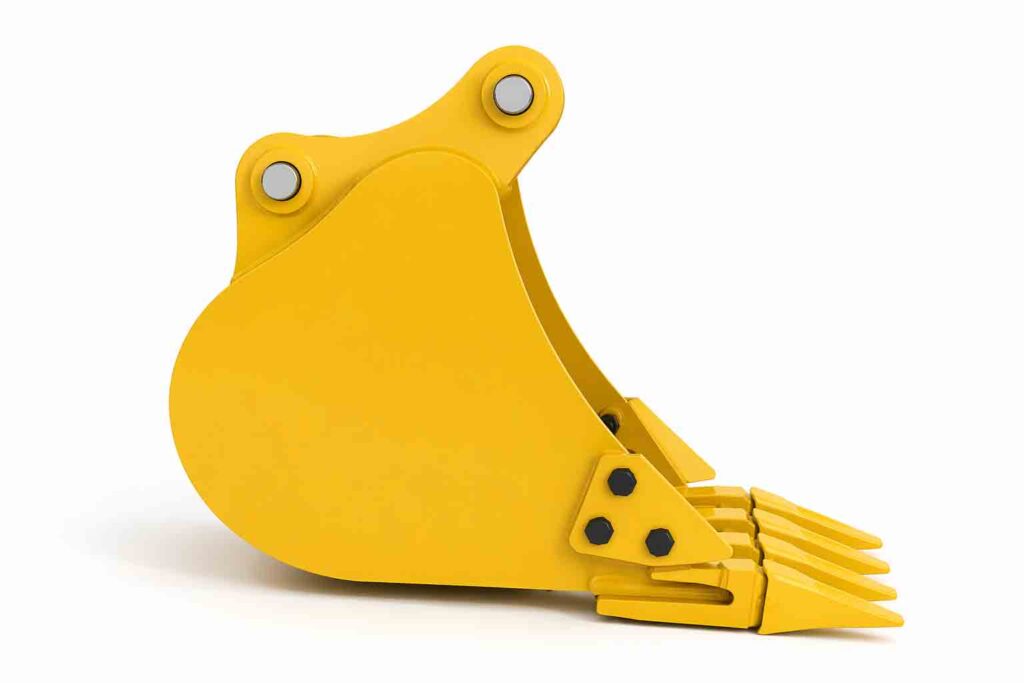
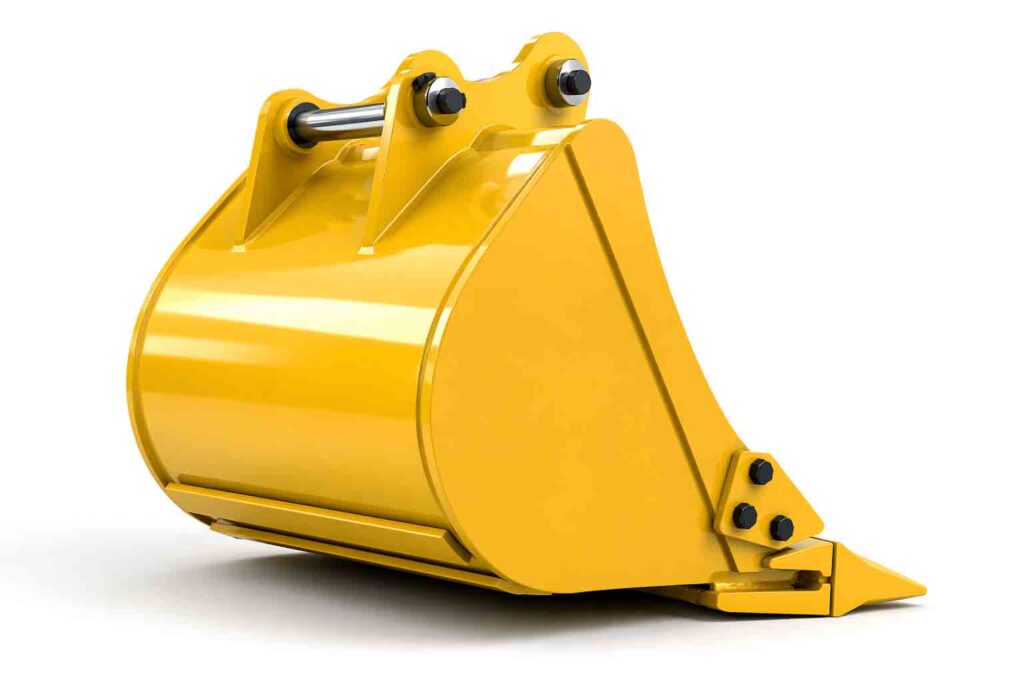
Shell depth and side plate shape are built to support regular digging loads without adding unnecessary weight.
The front lip, teeth, and adapters are arranged to handle ground contact and planned wear replacement.
Mounting ears, side plates, and back structure are checked so the bucket fits the machine setup.
Bucket Uses
This standard digging bucket is best used for regular digging tasks rather than narrow trenching or finish grading, such as excavation, site preparation, drainage, or base work.
Regular soil removal, loading, and digging across common job site conditions.
Footing areas, base zones, and repeated cuts where the bucket needs to keep a steady digging profile.
After excavation, there will still be loose soil and other site material to move as part of your daily workload.
An ideal solution when the ground still needs clearing, opening, and rough shaping before the next move.
A consistent bucket can facilitate efficient performance across a range of tasks at the jobsite.
Start with the machine range, then check the bucket size, pin setup, and the kind of digging work it typically performs.
It should be matched to excavator size, operating weight, and the normal digging load.
This range covers general excavation, site preparation, and base work.
Your machine, setup and daily workload all must work well together for maximum efficiency.
A few machine details, bucket photos, and a short note on the digging work are usually enough to start the check.
Brand, model, and operating weight set the first machine range.
Pin size, pin centres, arm width, and linkage photos help identify the setup.
Ground condition, digging volume, and daily work help narrow the bucket choice.
Current setup photos, bucket details, or existing drawings are enough to start the check.
Our Products
Use a ripper first when roots, stumps, or compacted ground slow down regular bucket digging.
Breaker work can open rock or concrete before the digging bucket clears the broken material.
For attachment changeover where machine fitment, pin setup, and linkage details are confirmed.
Product Inquiry
Send the machine model, operating weight, current bucket photos, or linkage photos you have. Add the main digging work, ground condition, or bucket size if it is already clear.
© [2026] · All Rights Reserved · Manufacturing & Export Business